

Solvents - quick facts
This article is by RoSPA and is reproduced courtesy of Safety Groups UK.
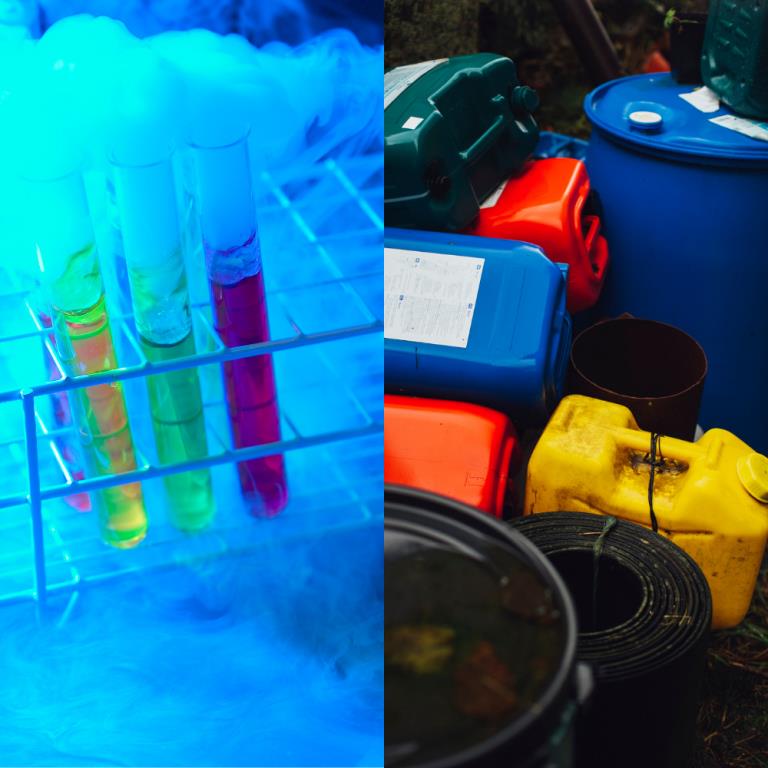
Solvents are defined as substances capable of dissolving other substances to form uniformly dispersed mixtures. Although water is the most common solvent, it is the organic solvents (eg hydrocarbons and ethers) that are generally considered to be hazardous to health.
This topic covers the ways in which solvents can adversely affect health — particularly affecting the skin, lungs and the central nervous system — and the control measures that should be put in place to minimise the risks from solvents. This topic does not cover the Solvent Emissions Directive.
- Solvents are substances capable of dissolving other substances to form uniformly dispersed mixtures. Organic solvents are considered to be hazardous to health.
- As well as having direct adverse effects on workers’ health, excessive uncontrolled exposure to solvents can impair co-ordination as a result of narcosis, leading to poor performance and an increased likelihood of accidents.
- When considering the health hazards associated with solvents, particular attention should be paid to pregnant and breastfeeding women and those with greater susceptibility.
- The risks of harm must be controlled by identifying the solvents present, classifying their hazards, assessing their risks and then either eliminating or substituting those solvents or instigating proper control measures.
- Mixtures that are created using solvents that are classified as hazardous for health or physical effects must be notified to European Poison Centres.
- It is essential that solvents are properly stored and disposed of, to avoid increasing the risk of injury or damage to the environment or property damage.
- The provision of proper instruction and training with health surveillance, where necessary, for those exposed to solvents is particularly important.
Last reviewed 21 July 2021
_____________________________________________________________
This article by RoSPA is reproduced courtesy of Safety Groups UK.
Find out further information on RoSPA membership.
Dislaimer
This article is for informational/educational purposes only. Nothing in the material provided constitutes legal or professional advice. NI Safety Group (and RoSPA) do not accept any liability whatsoever for the contents, usage or onward transmission including any loss or damage howsoever arising out of the use or reliance on its contents. In providing this information NI Safety Group (and RoSPA) are not acting in an advisory capacity or as a health and safety consultants and it remains your responsibility to ensure that you are meeting your legal obligations.
The material provided is protected by copyright. It may not be copied, reproduced, republished, downloaded, posted, broadcast or transmitted in any way except for your own personal, non-commercial use. Prior written consent of NI Safety Group and the author must be obtained for any other use of material.