


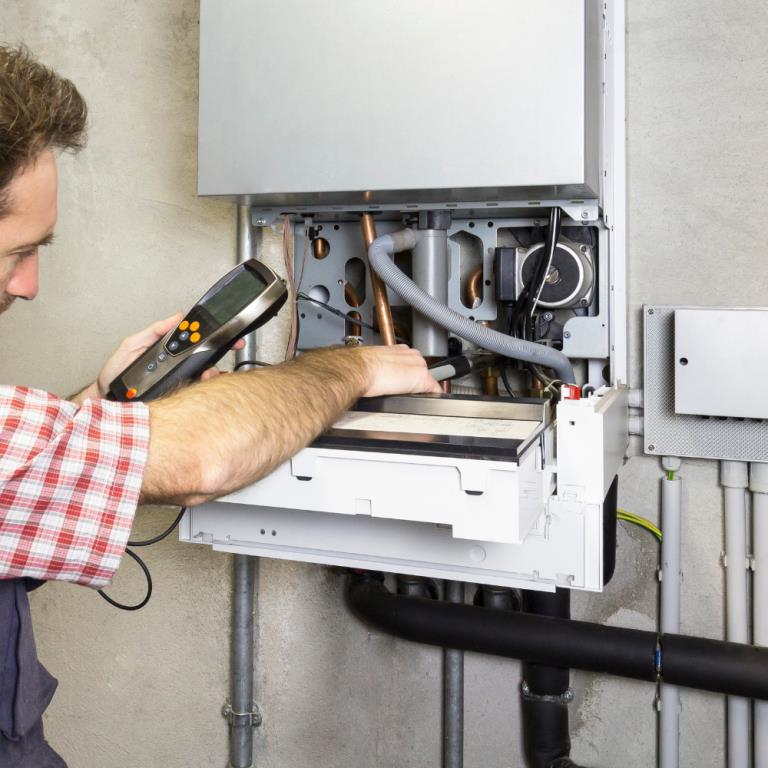
Gas safety is always a priority. However, when the rising cost of living means that businesses and households may be tempted to delay or cancel essential health and safety checks an even stronger emphasis must be put to good practices that can save lives and prevent injuries.
Gas is a potential killer in more ways than one. Its obvious hazards are fire and explosion. However, not so obvious is the deadly potential to produce invisible, odourless and often undetected carbon monoxide (CO) as a result of faulty and badly serviced appliances.
With summer heatwaves gone and colder days and nights ahead, this can be a good time of year to make sure everyone appreciates that gas is a vital energy source which must be respected and used properly. Without due care and attention, it can be, and unfortunately too often is, a cause of fatalities and severe injuries.
Shared lessons
Many key issues involved in domestic gas safety apply equally to workplaces. Conversely, lessons learned at work can help to safeguard loved ones at home and landlords to meet their responsibilities. There are also important crossover messages for builders and gas professionals.
A close look at both carbon monoxide and the potential for devastating explosions may be useful.
The wider CO risk
Carbon monoxide is a poisonous gas created by fires and appliances that burn gas, wood, oil or coal. If breathed in, it can make people seriously ill (For more information see Carbon Monoxide Poisoning).
Another comprehensive source of advice to prevent and cope with cases of CO poisoning is the Gas Safe Register.
Also see Gas Safe Register on the HSE website.
CO, which binds quickly and semi-permanently with haemoglobin in the blood, can be dangerous in sustained doses of between 150–200 ppm, but fatal at just 70 ppm. The key warning sign is flu-like symptoms.
It is also an under-diagnosed problem according to NICE (National Institute for Health and Care Excellence) — past data suggests circa 40 deaths and 200 non-fatal high-level CO poisonings annually in England and Wales requiring hospital admission. Some 82% of deaths were male; there are also 4000 A&E cases in England of lower-level poisoning that are easily misdiagnosed as flu-like illnesses, food poisoning or depression.
Statistics on monthly UK deaths from unintentional CO poisoning from 1995 to 2021 are also provided by Statista. A further source of information is The Cross-Government Group of Gas Safety and Carbon Monoxide Awareness 2020.
Clearly, it is important to follow the safety rules at all times to minimise these figures.
Explosion threat
Skipping checks to lower costs is also increasing the risk of fatal gas blasts; Gas Safe Register — which replaced CORGI registration in 2009 — says one-in-three gas users are not booking their usual annual safety checks because of the rising cost of living crisis. Deadly faults could go undetected.
It says cookers, fires and boilers left unchecked can cause leaks which “lead to fires and explosions that cost lives and shatter neighbourhoods”. The price of servicing a boiler is circa £80; gas checks for three appliances cost circa £60.
Investigators recently suspect that a gas leak from internal piping was the probable cause of a huge explosion in Birmingham that killed one person and critically injured another. The incident was said to be part of a series of rare but devastating blasts across the UK in the last two years attributed to faulty appliances or broken gas mains.
Buried risks
Since 2017, at least 12 people have died and 178 been injured because of the risk of corroding service pipes that in some cases were installed underground during the second world war (1939–1945).
Leaks from the service pipes that carry gas the last few yards or metres to homes have been identified as the cause of a number of explosions which killed or injured people and destroyed houses.
Narrow steel service pipes that may have lain buried for decades — despite galvanisation — can corrode. Gas escaping into the ground can then form pockets beneath buildings and in wall cavities as an explosive fuel mix that can be ignited by a spark from a light switch or even a fridge thermostat.
Corrosion kills
Corrosion can be accelerated by acidic soil conditions or rotting vegetation. Occupants have no warning signs until they can smell gas. Often this is too late. Most walls are designed to withstand strong vertical compression forces. They offer little resistance to powerful lateral blasts.
A replacement programme for iron gas mains has been under way — including service pipes branching off the mains — since 1974; in 2014 the HSE said “the management of risk from steel service pipes is currently a significant issue of the gas distribution networks”.
Explosions and fires caused by gas leaks rose from 28 in 2017 to 41 in 2020, see the HSE’s Index of data tables for more information. But they are not always caused by defective service pipes.
Court case
In a recent high court case, a householder opened a fridge door. A gas explosion then destroyed a semi-detached home and hospitalised her for a month with extensive burns, HSE investigators found a steel service pipe hole one metre under her garden which could have let gas spread into the house’s cavity walls through an old clay drainage pipe close to the leak. The gas pipe was in situ for 78 years.
The court found that the supplier had followed HSE policy prioritising mains replacement and had taken “reasonable care to guard against gas explosions and consequent injury”.
Indoor risks
Appliance and copper gas pipework faults inside buildings also cause explosions. The number of dangerous gas fittings identified by qualified engineers increased from 2299 in 2017 to 3292 in 2020. Most of the increase was in owner-occupied properties rather than rented properties.
Ten simple steps to warmth and safety
Gas Safe Register says the key to improving statistics is increased vigilance in the light of tighter gas fitting regulations by Gas Safe-registered technicians.
As a starting point for buildings safety, it strongly recommends a 10-point check-list of tips, designed to help ensure all gas work is carried out by properly qualified and accredited persons, and appropriate safety and warning measures are in place.
The Ten Top Tips To Stay Safe are as follows.
-
Only use a Gas Safe registered engineer to fit, fix and service your appliances. You can find and check an engineer at GasSafeRegister.co.uk or call 0800 408 5500.
-
Check both sides of your engineer’s Gas Safe Register ID card. Make sure they are qualified for the work you need doing. You can find this information on the back of the card.
-
Have all your gas appliances regularly serviced and safety checked every year. If you rent your home ask for a copy of the landlord’s current Gas Safety Record.
-
Know the six signs of carbon monoxide (CO) poisoning — headaches, dizziness, breathlessness, nausea, collapse and loss of consciousness. Unsafe gas appliances can put you at risk of CO poisoning, gas leaks, fires and explosions.
-
Check gas appliances for warning signs that they are not working properly, eg lazy yellow flames instead of crisp blue ones, black marks or stains on or around the appliance and too much condensation in the room.
-
Fit an audible carbon monoxide alarm. This will alert you if there is carbon monoxide in your home.
-
Keep vents and chimneys clear. Make sure you don't block any vents, as they are vital to ensure gas appliances burn properly, and chimneys need to be cleaned and checked regularly.
-
Use gas appliances only for their intended purpose. Don't be tempted to use them for something they weren't meant for, eg using a gas cooker to heat a room.
-
Know the emergency procedure. If you smell gas or suspect immediate danger, make sure you familiarise yourself with the emergency procedure and contact the relevant number for your UK region.
-
Spread the word. Share vital gas safety information with friends, family and neighbours to make sure your community stays safe.
Other information sources
Three other useful references are:
-
Carbon Monoxide — Get in the Know — Gas Safe Register.
-
Gas — Healthy Working Lives.
-
Gas Safety — HSE
Takeaways
-
Inflation and the soaring cost of living is tempting many under pressure householders and business managers to delay or cancel essential gas safety checks. Evidence suggests that the result can be avoidable but can lead to severe fatalities and injuries.
-
Principal threats are the potential for carbon monoxide poisoning and devastating explosions.
-
Two important sources of information are the Gas Safe Register’s Table of Contents and the HSE’s Gas Safe Register.
-
Gas Safe Register — which replaced CORGI registration in 2009 — has also identified corrosion of old service pipes that may lain undisturbed in the ground for decades as the likely cause of recent major gas explosions.
-
Gas Safe Register also lists 10 vital check-list tips to ensure gas service safety.
Last reviewed 8 September 2022